
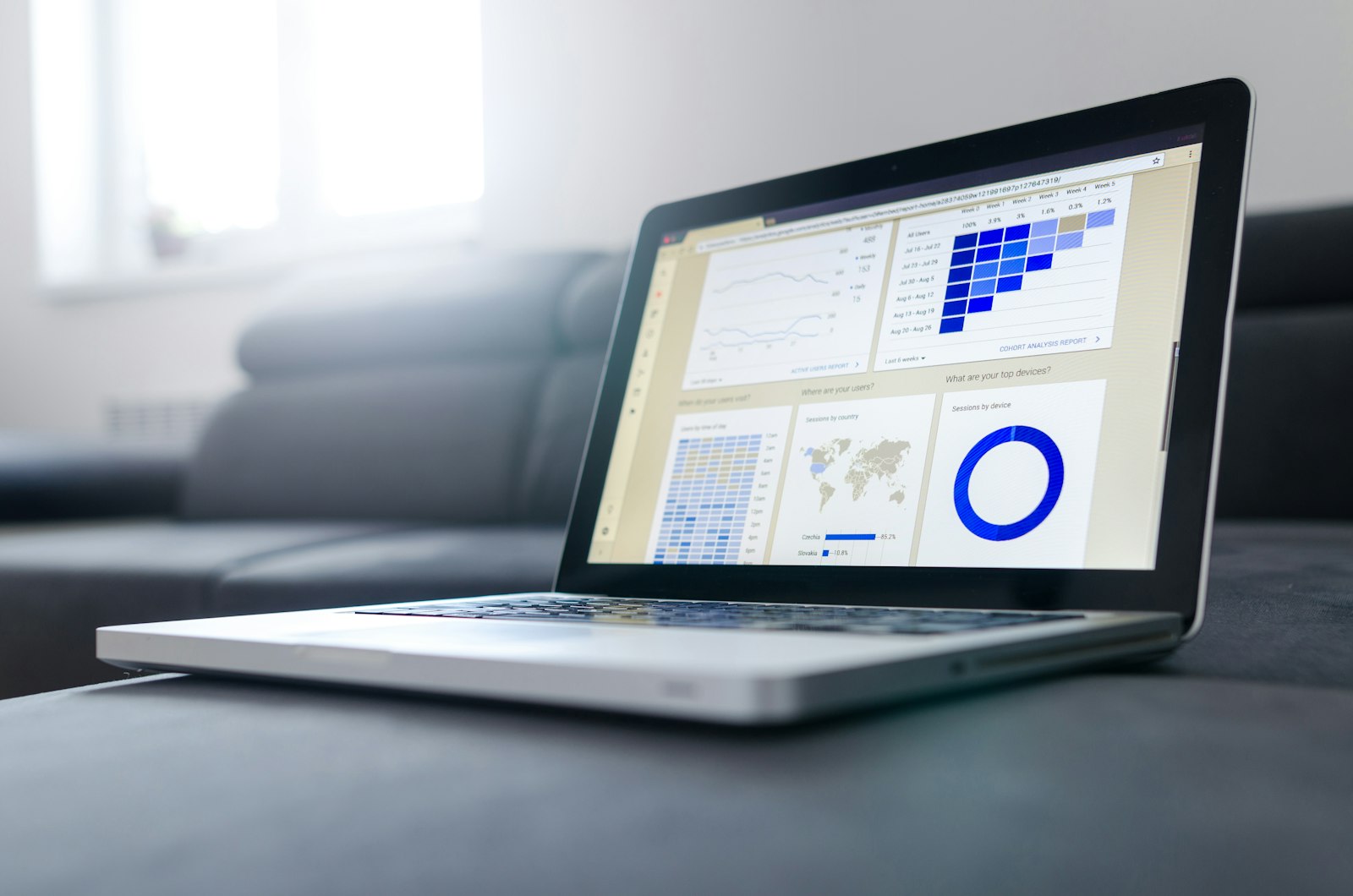
Most businesses in fresh produce and FMCG have access to scan data. A good number of them look at it regularly. But there is a significant gap between looking at scan data and actually understanding what it is telling you, and that gap tends to be where a lot of commercial opportunity gets left behind.
Scan data shows you what sold, where, and at what price. That is useful. But the businesses that get the most out of it go further than the top line numbers. They use it to understand how shoppers are behaving, where their category is structurally weak, and where the next meaningful growth is most likely to come from.
The Surface Level vs the Signal
If you are primarily using scan data to track weekly sales and monitor promotional performance against last year, you are using about 20 percent of what it offers. That is not a criticism. It is just where most teams start, and where many stay because the day-to-day demands of the business do not leave much room to go deeper.
The signal, though, is in the detail. Here is what tends to get missed.
Baseline erosion
Your promotional volume might look healthy while your non-promotional baseline is quietly declining. If you only look at total sales, you will not see it. Separating promotional and non-promotional volume over a rolling 12 to 24 months is one of the most revealing things you can do with scan data, and it is where we most often find the first sign of promotional fatigue or structural trouble.
Rate of sale versus distribution
A lot of businesses celebrate distribution gains without checking whether the rate of sale is holding up. You can be in more stores and selling less per store, and the headline number will still look like growth. Tracking rate of sale alongside distribution gives you a much more honest picture of how a product is actually performing at the shelf level.
Price point gaps
Scan data can tell you where there is no product on shelf at a particular price point that shoppers are clearly willing to pay. If you see a cluster of volume at certain price thresholds and nothing between them, there may be a ranging or pack size opportunity that neither you nor the retailer has acted on yet. Understanding price elasticity helps determine which price points will actually convert.
Switching and substitution patterns
When your product loses volume, where does that volume go? Understanding switching and substitution patterns is critical. If it stays in the category and moves to a competitor, that is a different problem to solve than if shoppers leave the category altogether. Scan data combined with panel data can show you both, and the answer changes the strategy significantly.
The Questions Worth Asking of Your Data
Rather than starting with the data and seeing what it shows, it helps to start with the commercial question and then use the data to answer it. Here are the questions we find most productive.
- Where is our category growing and where is it in decline? Not just overall, but by retailer, by region and by pack format.
- Which of our SKUs are growing their rate of sale and which are losing it? Distribution tells you where you are present. Rate of sale tells you whether you deserve to be there.
- When shoppers buy us on promotion, do they buy us again at full price? If not, you are spending money to attract shoppers who only visit when the price drops.
- How does our price positioning compare to where the category is actually transacting? The average selling price in the data and the price on the ticket are often different once promotions are factored in.
- Are there weeks in the year where our category over-indexes or under-indexes that we are not taking advantage of? Seasonality in fresh produce can be tracked and planned around rather than just reacted to.
Making the Data Work for Retailer Conversations
One of the most practical uses of scan data is building the evidence base for a retailer conversation. Buyers respond to data that tells them something they did not already know. If you can show a buyer where the category is underperforming in their stores relative to the market, or where a particular price point is underserved in their ranging, you shift the dynamic of the conversation from supplier pitch to category partner.
That is a meaningful difference. It changes how the buyer sees you, and it changes the quality of the outcomes you can negotiate.
"We had been submitting the same data pack to buyers for two years. When we rebuilt it around what the scan data was actually showing about category gaps, the conversation in the room changed completely." Category Manager, Fresh Produce Supplier
Where to Start if You Are Not There Yet
If your scan data use is still largely limited to sales tracking and promotional reporting, the most practical first step is to carve out time to look at your baseline separately from your promotional volume. Do that for each major SKU over the last 24 months and see what the trend looks like without the promotional noise.
From there, add rate of sale to the picture. And then start asking the commercial questions that matter most to your business right now. The data has the answers. It just needs someone to ask the right questions of it.
Want help getting more out of your scan data?
We work with fresh produce and FMCG businesses to turn scan data into commercial insight that actually changes decisions. If you are not sure your data is working as hard as it could, it is worth a conversation.
Talk to us