
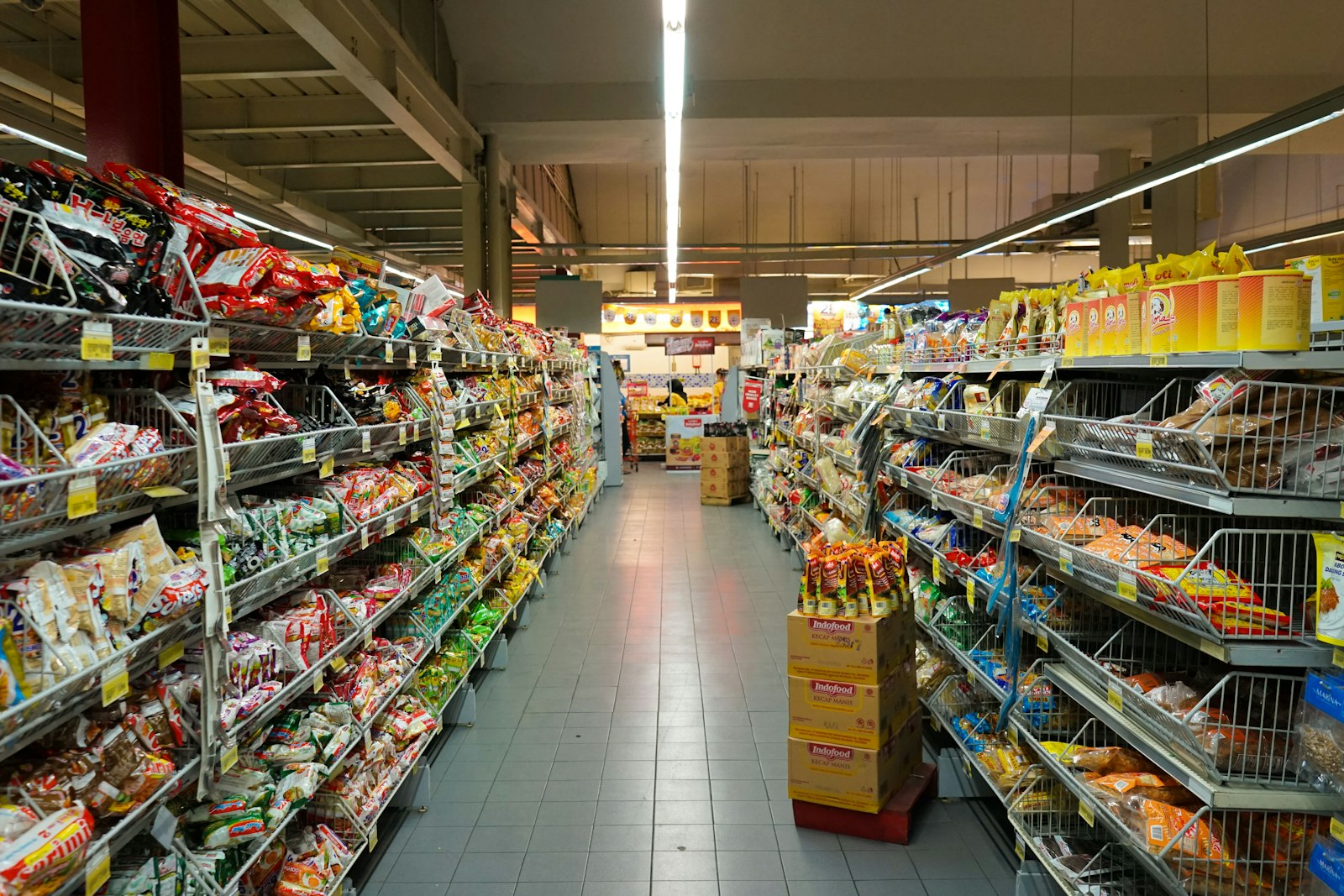
Scan data tells you what sold during a promotion. Loyalty data tells you who bought it and what they did next. The gap between those two views is where most promotional evaluations go wrong, and it is where some of the most useful insight tends to hide.
When you only look at scan data, a promotion that doubled weekly volume looks like a success. But if those buyers were existing heavy purchasers who simply stocked up, and then did not buy again for six weeks, the promotion has not grown your customer base. It has just moved spend around the calendar. That distinction matters enormously for how you plan the next one.
What Happens Before the Promotion
Shopper behaviour in the week or two before a promotion is almost never neutral. A portion of your regular buyers sense or anticipate that something is coming. This might be because your promotional calendar is predictable, or because they have noticed a pattern over time. Whatever the reason, pre-promotion dip in volume is a real and consistent phenomenon that scan data alone tends to obscure.
If your baseline calculation uses the week immediately before a promotion, you are likely underestimating the true baseline and therefore overstating the promotional uplift. The week before was already artificially low because some shoppers were holding off. When you account for this, the incremental gain often looks noticeably smaller.
The forward-buying signal
Loyalty data can show you whether a shopper who buys during your promotional week also bought in the week before, or whether they waited. Shoppers who consistently skip their usual purchase week immediately before a promotion and then buy a larger quantity during the deal are forward-buying rather than being newly attracted. The promotion is serving existing loyalty, not building new demand.
What Happens During the Promotion
The promotional week itself is the one everyone tracks. But even here, the shopper-level view adds important texture.
New buyers versus existing buyers
One of the most important distinctions in any promotional evaluation is the split between buyers who were already in your franchise and buyers who came in specifically because of the deal. Scan data cannot tell you this. Loyalty data can. If 80 percent of your promotional volume came from existing buyers purchasing in a slightly different pattern, the promotion is not acquiring new shoppers. It is serving existing ones at a lower margin.
Basket composition
What else shoppers buy in the same basket as your promoted product is often more interesting than the promoted product itself. If your promoted item consistently appears alongside high-value complementary products, that tells the retailer something useful about its role in the shopper's trip. It is a stronger argument for shelf positioning and promotional support than volume data alone.
What Happens After the Promotion
This is where the real quality of a promotion reveals itself. The post-promotion period is the acid test for whether the event generated genuine incremental demand or just shifted timing.
The trough effect
When shoppers buy more than they normally would during a promotion, they do not immediately return to normal purchasing patterns. There is a trough. The length and depth of that trough tells you how much of your promotional volume was pulled forward from future weeks rather than genuinely incremental. A deep, long trough is a strong sign of pantry loading rather than category growth, and a key indicator of promotional fatigue.
Return rate of promotional buyers
Of the buyers who purchased during your promotion, what proportion came back and bought again at full price within the next four to six weeks? This is one of the clearest measures of promotional quality available. A high return rate at full price suggests the promotion attracted genuine new buyers or reinforced loyalty. A low return rate suggests the deal attracted price-driven shoppers who have no particular attachment to the brand.
Loyalty conversion
The most valuable outcome of any promotion is converting a light or lapsed buyer into a more regular purchaser. Loyalty data lets you track whether this is happening. In our experience, promotions that are well-timed, well-targeted, and paired with a strong quality cue tend to generate meaningful loyalty conversion. Generic price-led events rarely do.
Using the Before-and-After View to Plan Better
The practical value of this analysis is that it changes what you optimise for when planning the next promotion. If you know that your last event primarily attracted forward-buying from existing customers, the question is not how to run the same promotion again. It is how to design the next one to attract a different kind of shopper response, and to avoid cannibalising your own range in the process.
"When we looked at the loyalty data properly, we realised our best promotional week of the year was actually driving our worst four-week period. We had been celebrating the wrong number." Marketing Manager, FMCG Supplier
That might mean a shorter promotional window to reduce pantry loading. It might mean adjusting depth based on price elasticity. It might mean targeting a different occasion or basket type. It might mean pairing the price mechanic with something that reinforces quality and encourages repeat purchase rather than just triggering a single deal-driven trip.
None of this complexity shows up in a weekly scan data report. It is visible when you look at the same shoppers across the weeks before, during and after the event, and ask what they actually did rather than just what the aggregate numbers suggest.
Want to understand what your promotions are really doing?
We combine scan data and loyalty data to give clients a complete picture of shopper behaviour around their promotions. If you want to know whether your events are building the business or just moving spend around the calendar, let us take a look.
Talk to us