
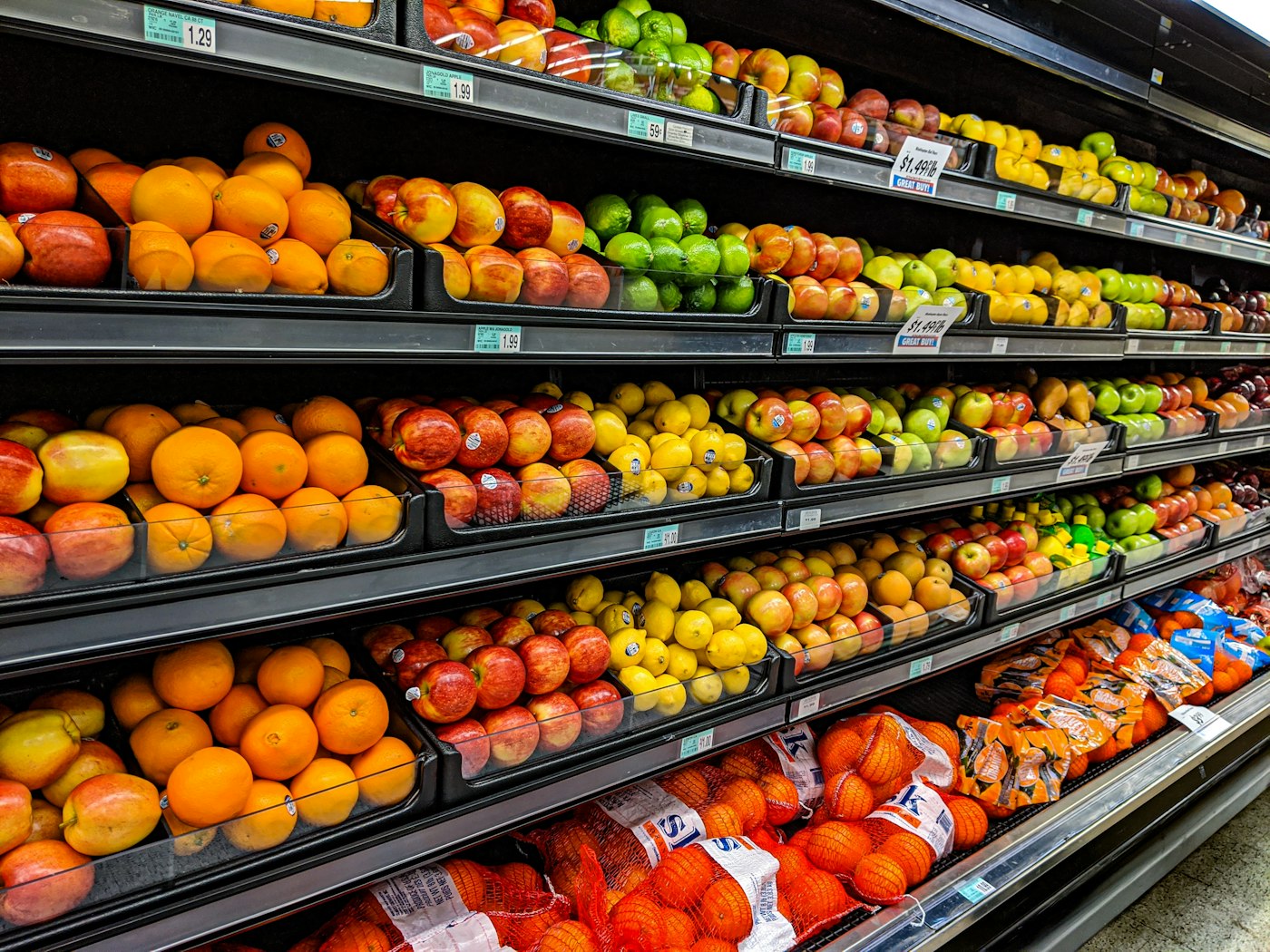
Ask anyone in fresh produce who buys the category, and you will get the same answer. Age, life stages, income, household size. It is how media gets bought, how a range gets pitched, how a category story gets told to a retailer. Beneath that storytelling, the engine has been quieter. Most new lines arrive supplier-pushed, a grower with a variety, a seed company with a programme, gated by the retailer's own read of the consumer and validated only by whether the shopper sticks with the product on shelf. Demographics live in the slide deck. The shopper does not really live in the room. It is worth asking what changes when they do.
Years spent inside one of Australia's largest horticulture businesses, building ranges and decoding shopper behaviour alongside the major retailers, taught me to start with demographics because that was the data in front of us. But the longer I sat with it, the wider the gap grew between what the groups predicted and what shoppers did at the fixture. Two households that looked identical on paper would behave nothing alike. Two that looked worlds apart would reach for the same pack for the same reason. The group was telling me who the shopper was. It was not telling me how they decided. And how they decide is where the money is.
What Actually Moves the Choice
Watch a shopper for a moment instead of profiling them. What seems to move the choice is quieter and more human than any demographic. There is confidence, how sure a shopper feels navigating a category, whether they know what good looks like or are guessing. There is habit, the routine built over years that means the decision is half made before they reach the shelf. There is risk, the quiet effort to avoid getting it wrong, bringing home something that disappoints or ends up wasted. And there is selectivity, how far a shopper will let themselves trade up, or how firmly they hold to the value end of the range on principle.
These run underneath age and income, and they cut clean across them. A confident, habit-led, quality-seeking shopper behaves like other confident, habit-led, quality-seeking shoppers, whether they are twenty-five or seventy. The labels may not be final, but the pattern under them is consistent. These dimensions explain behaviour that demographics struggle to account for.
If that is closer to the truth, then a great deal of fresh produce strategy is aimed at the wrong coordinate. Not because the industry lacks effort, but because it is navigating with the wrong map. Demographics can tell us who buys. They are far less useful at explaining why they buy.
The Gap Between the Slide Deck and the Shelf
In fresh produce, the range is rarely built around any clear shopper model. Demographics show up in the pitch and the category story, but the decisions themselves lean on supply, variety and category convention, with shopper logic an afterthought. When the range is instead built around how the shopper decides, by their confidence, their habits, their tolerance for risk and their appetite to trade up, it starts to meet them where the purchase happens. That shift sounds subtle. In practice it changes everything from ranging and pricing to promotion and brand positioning.
The practical implications are significant. Range decisions stop being made without the shopper at the table and become a question of which decision style is underserved on the shelf. Promotion stops missing the shoppers it can move and starts reaching them while leaving alone the ones who were always going to buy. New varieties and formats stop being a guess made in the absence of a shopper model, and start answering a behavioural gap, a group of shoppers whose way of deciding the category has simply never catered to.
None of this is exotic. The rest of the consumer goods world segments on behaviour as a matter of course. Fresh produce mostly has not, because it has never had the brands or the appetite for it.
"The group was telling me who the shopper was. It was not telling me how they decided. And how they decide is where the money is." Samrat Acharya, Binary Consulting Group
The Part Worth Being Honest About
That is the part worth being honest about. Everything above is a hypothesis, drawn from years of watching the gap between the groups and the behaviour. It is not yet proof. Belief is not measurement, and the industry has leaned on belief about its shopper for a long time. The useful next step is to put real evidence underneath it, to learn whether these behavioural tribes are real, how many there are, how large each one is, and how much better they predict the basket than demographics do.
That question is what led Binary to build a syndicated study of Australian fresh produce shoppers, across categories, designed to map how people navigate the fixture rather than which box they tick. The aim is to hand growers and category teams a way of seeing their shopper that finally matches how that shopper behaves. More on that soon.
The Question Worth Sitting With
For now, one question is worth sitting with. If you set the demographic table aside, and described your shopper instead by how they decide, by their confidence and their habits and their appetite for risk, would your strategy still point where it points today.
If the honest answer is that you are not sure, that is not a gap in your work. It is the most valuable question in the category, and it is one we are finally able to answer.
Interested in how your shoppers actually decide?
Binary is building a syndicated study of Australian fresh produce shoppers designed to map behaviour at the fixture, not demographics on a slide. Get in touch if you want to know more about what we are building and how it could apply to your category.
Talk to us